
Migration and Displacement Action Plan for Sub-Saharan Africa (MAPS)
Description
“The MAPS project is conceived to inform policy making and programming on migration and forced displacement in Sub-Saharan Africa by helping addressing knowledge gaps through research. The MAPS Partnership is intended to improve research and awareness on migration and forced displacement in Sub-Saharan Africa by:
a. assessing knowledge gaps in relation to migration and forced displacement situations thanks to the MAPS-Laboratory, that will involve researchers, scholars, experts, and students.
b. developing standards to guide the production of knowledge within the action, through the constitution of a Steering Committee of partners and stakeholders that will meet periodically. The Steering Committee will collectively address programs, research modalities and toolkits of the project. Notably, the Steering Committee will propose a concerted methodology for the identification of current research gaps and will define the survey methodology for both on-line and on-site surveys.
c. Carrying out studies and developing knowledge products on migration and forced displacement situations in ten Sub-Saharan African Countries, notably Ethiopia, Kenya, Tanzania, Uganda, Ivory Coast, Senegal, Burkina Faso, Guinea, South Sudan and South Africa. Particular attention will be given to the effect of disaster and climate change on migration and displacement and to specific vulnerable groups such as women, children, minorities and persons with disabilities. Migrations and forced displacement will be analysed with reference to the perceptions of first-line practitioner groups and internal migrants and on four thematic areas:
i. Peace: Conflicts, Borders and border policies, Human rights.
ii. People: Gender, Age, Disabilities and Vulnerabilities.
iii. Planet: Climate change, Disasters, Natural hazard stressors, Resilience.
iv. Prosperity: Education, Employment, Health, Housing, Equality, Socio-spatial Inclusion. Original data will be gathered following a mixed-method approach, including 1) focus groups with policymakers and Civil Society Organizations (CSO) on a local level, 2) on-line survey among various first-line practitioner groups, with specific attention to vulnerable migrants and forcibly displaced people, and 3) face-to-face qualitative interviews with migrants, potential migrants and forced displaced, in order to identify narratives, patterns of mobility and potential threat.
| Acronym | MAPS |
|---|---|
| Effective start/end date | December, 2024 → December, 2027 |
| Collaborators |


|
Participants

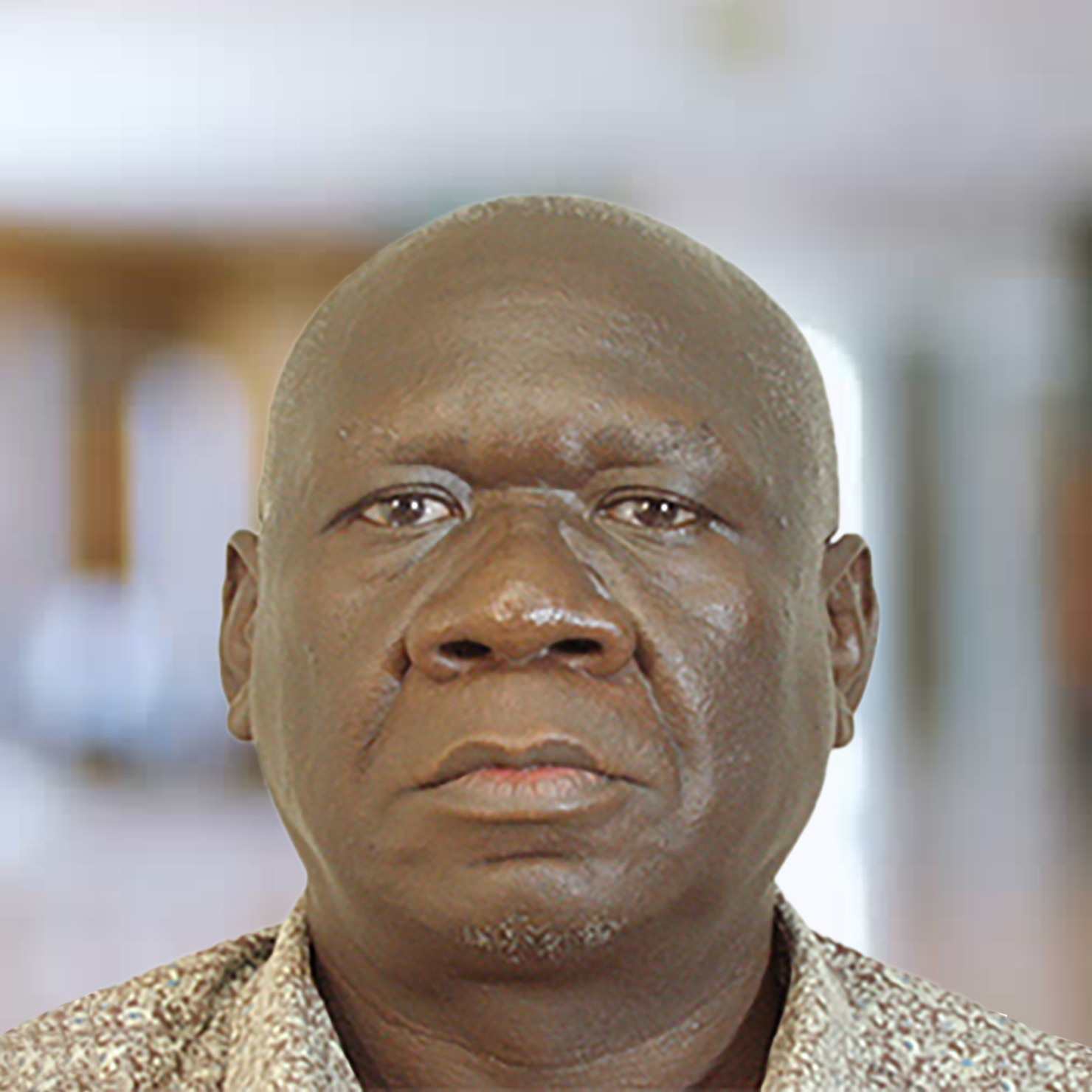




- Cristina Giudici (scientific Director) Godfrey Sempungu (KAB Team leader/Principal Investigator) Natal Ayiga (KAB Team leader Research)
- Francis Akena Adyanga (KAB Team leader Knowledge sharing and dissemination)
- Jackson Tumwine
- Ruth Tibesasa (KAB Team leader Cultural Dialogue and Stakeholders engagement)
- Ainemani Elvis Herbert
- Charlotte Kabaseke